
What Businesses Should Know About Commercial Gas Piping Systems
Businesses seeking to ensure safe, compliant commercial gas piping systems can rely on local contractors to handle installation, maintenance, and code adherence effectively.
Understanding the essentials of commercial gas piping systems is a key step for property owners looking to ensure safe and efficient operations. Whether managing a restaurant, manufacturing facility, or retail space, knowing how these systems work can help prevent costly disruptions and maintain compliance with building standards. Local service providers specializing in commercial gas piping installation can offer the expertise needed to design, install, and maintain these systems properly, giving property owners peace of mind that their operations run smoothly and safely.
Exploring what businesses should know about commercial gas piping systems is especially relevant for those planning upgrades or new constructions. Proper installation by experienced local contractors ensures reliable gas delivery and minimizes risks associated with leaks or improper connections. As property owners consider their options, connecting with knowledgeable professionals can help ensure that the system meets the specific needs of the business while adhering to safety standards. Keep reading to learn more about how local experts can support your commercial gas piping needs.
- Commercial kitchen setups - local contractors can install or upgrade gas piping systems to ensure safe and efficient operation of cooking appliances.
- Industrial manufacturing facilities - service providers handle complex gas piping layouts necessary for large-scale production processes.
- Food processing plants - professionals can design and install gas piping to support heating, sterilization, and other critical functions.
- Hospitality businesses - local pros are equipped to install reliable gas piping systems for heating, water heating, and cooking needs.
- Retail and commercial buildings - service providers can evaluate and implement gas piping solutions that meet safety standards and operational demands.
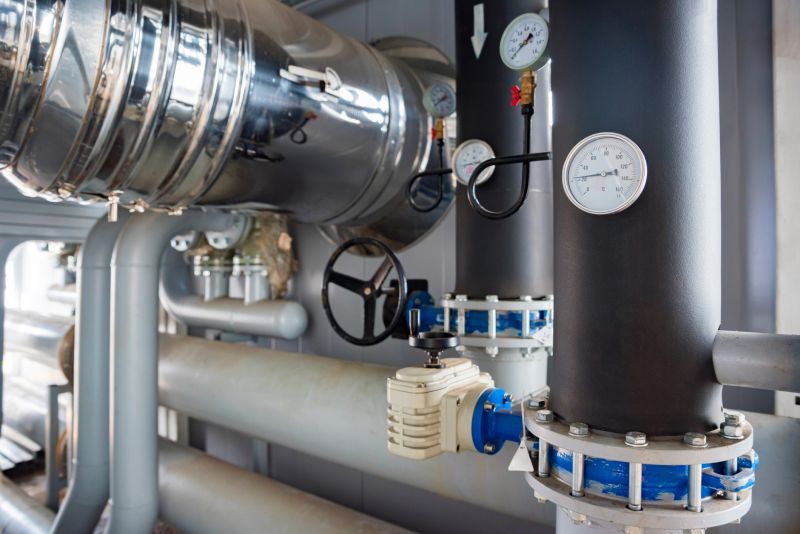
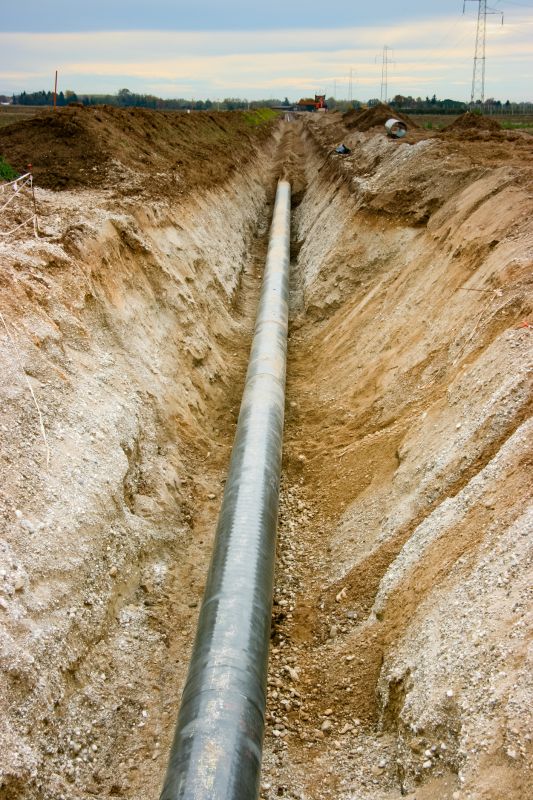
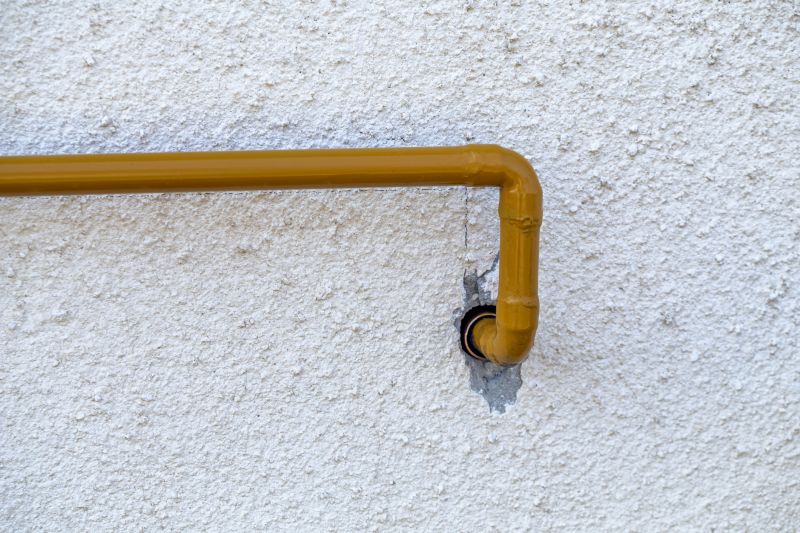
When people search for information about commercial gas piping systems, they are often looking to understand how these systems support their business operations. This might include details about how gas is delivered safely and efficiently to various parts of a commercial property, such as kitchens, manufacturing areas, or heating systems. Business owners and managers may also be interested in the regulations and safety standards that apply to gas piping, as well as the importance of proper installation and maintenance. Clarifying these details can help them plan for upgrades, repairs, or new installations, ensuring their facilities operate smoothly and safely.
Commercial gas piping systems are closely related to a variety of business needs and property types. Commonly, they are used in restaurants, hotels, industrial plants, and retail spaces that rely on natural gas or propane for heating, cooking, or manufacturing processes. Problems with these systems can include leaks, corrosion, or outdated piping that no longer meets safety codes. On the other hand, many plans involve installing new gas lines to support expansion or new equipment. Whether upgrading an existing system or installing a new one, understanding the scope of work involved helps business owners coordinate with local service providers who specialize in commercial gas piping.
The types of properties that typically come up in discussions about commercial gas piping include multi-unit buildings, warehouses, food service establishments, and manufacturing facilities. These properties often have complex piping networks that require careful planning and precise installation. For example, a restaurant needs a reliable gas supply for multiple appliances, while a manufacturing plant might have extensive piping running throughout the facility. Each property type has unique requirements, which is why it’s essential to work with experienced contractors familiar with commercial-grade systems. Proper installation and ongoing service from local pros help ensure the system functions safely and efficiently over time.
For business owners considering commercial gas piping systems, understanding the connection to their property and operations is key. Local service providers can evaluate the existing infrastructure, identify potential issues, and recommend appropriate solutions tailored to the specific property type and business needs. Whether installing new piping, upgrading outdated systems, or repairing leaks, these professionals bring the expertise necessary to handle the complexities of commercial gas systems. Connecting with experienced contractors ensures that the project complies with safety standards and operates reliably, supporting the ongoing success of the business.
Commercial kitchen plumbing upgrades - these projects often involve installing or repairing gas piping systems to ensure safe and efficient operation, requiring similar planning and piping skills as commercial gas piping installation.
Industrial boiler installation - setting up boilers involves connecting gas supplies and ensuring proper piping layouts, making it relevant for contractors experienced in gas piping systems.
Building HVAC system installation - HVAC projects may include gas line integration for heating units, requiring precise planning and knowledge of piping codes similar to commercial gas piping work.
Fire suppression system setup - some fire suppression systems utilize gas components that need careful piping installation, aligning with the skills used in commercial gas piping projects.
Restaurant exhaust and ventilation systems - these projects often require gas line connections for cooking appliances, demanding expertise in piping and safety protocols comparable to commercial gas piping services.
Utility trenching and underground piping - laying underground gas lines involves excavation and precise piping techniques, closely related to the planning and safety considerations of commercial gas piping systems.
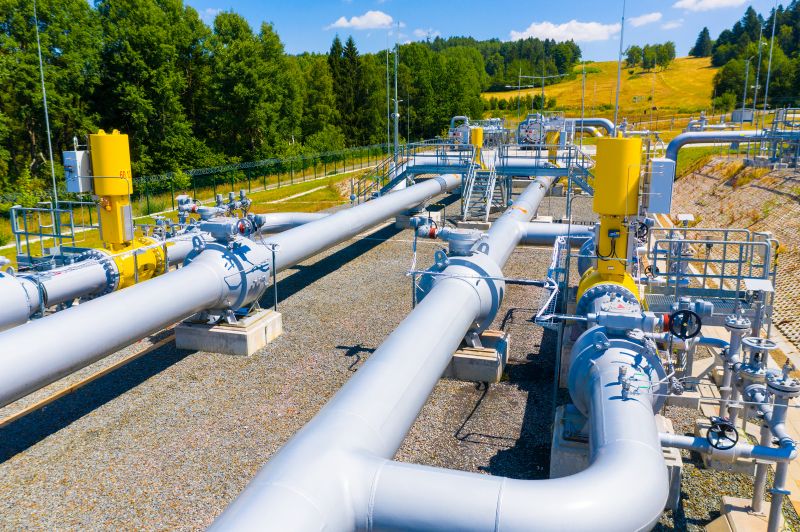
When evaluating service providers for commercial gas piping installation, it is important to consider their experience with similar projects. Contractors who have successfully handled commercial gas piping systems comparable to the scope and complexity of the work can offer valuable insights into potential challenges and best practices. An experienced local contractor will be familiar with the specific requirements of commercial setups, ensuring that the installation meets safety standards and functions efficiently. Reviewing their portfolio or asking about past projects can help gauge their familiarity with the type of system needed for a particular business environment.
Clear, written expectations are essential when choosing a commercial gas piping installer. A reputable contractor should be able to provide detailed proposals outlining the scope of work, materials to be used, and the timeline for completion. Having these details documented helps prevent misunderstandings and ensures that both parties are aligned on project deliverables. It also provides a reference point should any questions or issues arise during the process. When comparing local service providers, look for those who are transparent about their process and willing to put their commitments in writing.
Reputable references and effective communication are key indicators of a reliable commercial gas piping contractor. Service providers who can furnish references from previous clients demonstrate confidence in their work and a track record of successful project completion. Good communication throughout the project ensures that any questions or concerns are addressed promptly, reducing the risk of delays or misunderstandings. When evaluating local contractors, consider how well they listen to the specific needs of a business and how clearly they articulate their approach. This level of professionalism can greatly influence the overall success of the installation and ongoing system performance.
Property owners often search for what businesses should know about commercial gas piping systems when they are planning practical projects around their homes and businesses. Local pros provide Commercial Gas Piping Installation services for everyday jobs and straightforward project options.
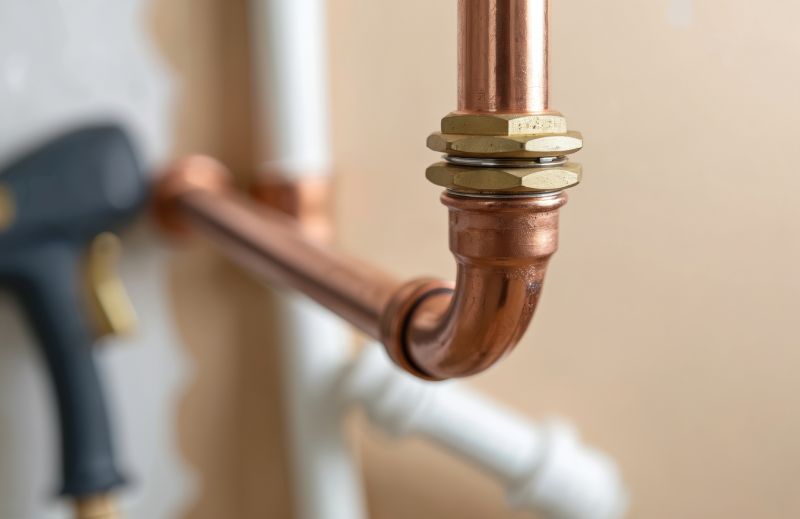
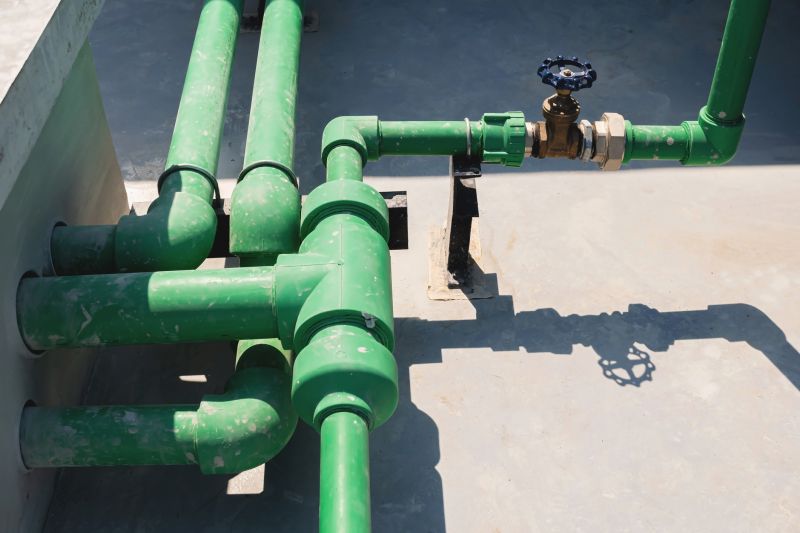
Understanding the essentials of commercial gas piping systems is important for property owners managing business facilities that rely on natural gas for heating, cooking, or other operational needs. Everyday project situations, such as upgrading existing systems or installing new piping for a commercial kitchen or manufacturing process, often lead property owners to seek out professional installation services. Local contractors experienced in commercial gas piping can evaluate the specific requirements of a space, ensuring proper layout, safety considerations, and compliance with local codes, which is crucial for smooth and safe operation.
Many property owners look into commercial gas piping installation when expanding their business or renovating existing spaces. Proper installation by skilled service providers helps prevent potential leaks, pressure issues, or other hazards that could disrupt operations or pose safety risks. Connecting with local experts who specialize in commercial gas piping can provide peace of mind, knowing that the system is designed and installed correctly to support the business’s needs efficiently and safely.
What are the key components of commercial gas piping systems? Commercial gas piping systems typically include pipes, valves, regulators, and meters. Local contractors can ensure these components are properly installed and maintained to meet safety standards and operational needs.
Why is proper installation important for commercial gas piping? Proper installation helps prevent leaks, ensures safety, and maintains system efficiency. Experienced service providers follow best practices to deliver reliable and compliant gas piping setups.
What should businesses consider when planning a gas piping layout? Businesses should consider the building layout, gas demand, safety zones, and future expansion needs. Local contractors can design piping systems that optimize space and functionality while adhering to safety codes.
How do local service providers ensure compliance with regulations? Local contractors stay updated on applicable codes and standards, implementing best practices during installation. They can help businesses meet safety requirements and avoid potential violations.
What maintenance is required for commercial gas piping systems? Regular inspections, leak testing, and prompt repairs are essential. Service providers can assist with ongoing maintenance to keep the system safe and operational.
Understanding system layout - Knowing how commercial gas piping should be arranged helps property owners plan for efficient installation with local contractors.
Proper material selection - Choosing the right piping materials ensures safety and durability, making it easier for service providers to install and maintain the system.
Compliance with codes - Being aware of local building codes related to gas piping helps businesses ensure their systems meet legal requirements during installation.
Regular inspection needs - Recognizing the importance of periodic checks allows property owners to schedule inspections with local contractors to maintain system safety.
If you are thinking about what businesses should know about commercial gas piping systems for a property, this guide is meant to help you understand this topic, the typical project types, and how different options might fit your plans.
When you are ready, you can use the quote form on this page to share a few details about your project. From there, local pros can review the basics and follow up with options that match what you have in mind.